EPPIC
Ending Plastic Pollution Innovation Challenge - Thailand
Role
When
Consultant
8/2020 - 2/2021
WHY
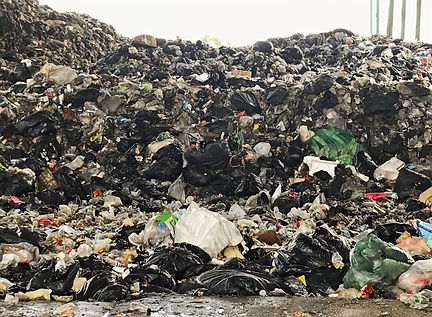
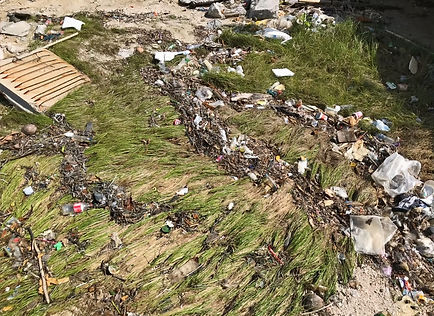
80 percent of plastic found in the ocean are from land-based sources, and 8 million tons of plastic enter the sea every year (IUCN, 2021). Plastic waste has serious consequences for marine life, the ocean ecosystem, and the sustainability of fisheries.
Four ASEAN member countries (Viet Nam, Indonesia, Thailand, and the Philippines) and China are responsible for 60 percent of the plastic in the ocean every year (Ocean Conservancy, 2015).
Thailand is among the large plastic producers and importers, but they also have limited waste management systems, leading to the leakage of plastics into the environment. (UNDP Thailand, 2020). That’s why UNDP initiated the project Ending Plastic Pollution Innovation Challenge (EPPIC) to seek innovation to reduce plastic pollution in coastal areas in Thailand.
HOW
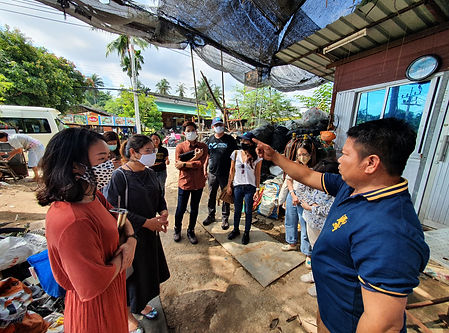
I and the consultant team facilitated the launch of the Ending Plastic Pollution Innovation Challenge (EPPIC) Incubation Thailand. Supported the final selection of innovative solutions for ending plastic waste in Samui Island.
We designed the process to encourage the innovation implementation in Samui Island. Worked with the local stakeholders to identify bottlenecks to implementation. Facilitated the meetings among the selected teams and the local authority in Samui Island to explore implementation possibilities.
Eventually, we reported to UNDP on the analysis of the innovation replication potential.
OUTCOME
4 selected innovation teams have explored the implementation possibility in Samui Island, Thailand. During the EPPIC Incubation Program, they also gained new insights to further develop their business and impact models to fit the implementation;
-
The commercial-scale aluminum extraction technology operated for a multilayered plastics packaging factory. With new insights on the by-products, the team is developing a new technology to turn by-product plastics into fuel oil and activated carbon.
-
A foundation that promotes waste sorting in Samui Island has shifted its impact model to focus on developing an education tool to raise awareness among key stakeholders in Samui’s waste value chain.
-
A floating device to prevent plastic waste from entering the ocean established a plan to continue expanding their innovation to the new locations in Thailand
-
A machine to shorten the recycling process by shredding plastic wastes into flakes right at the collection point developed a plan to test their business model.
The innovation replication potential was analyzed and reported to the innovation teams and the international organization (UNDP) to increase the replication in other areas.